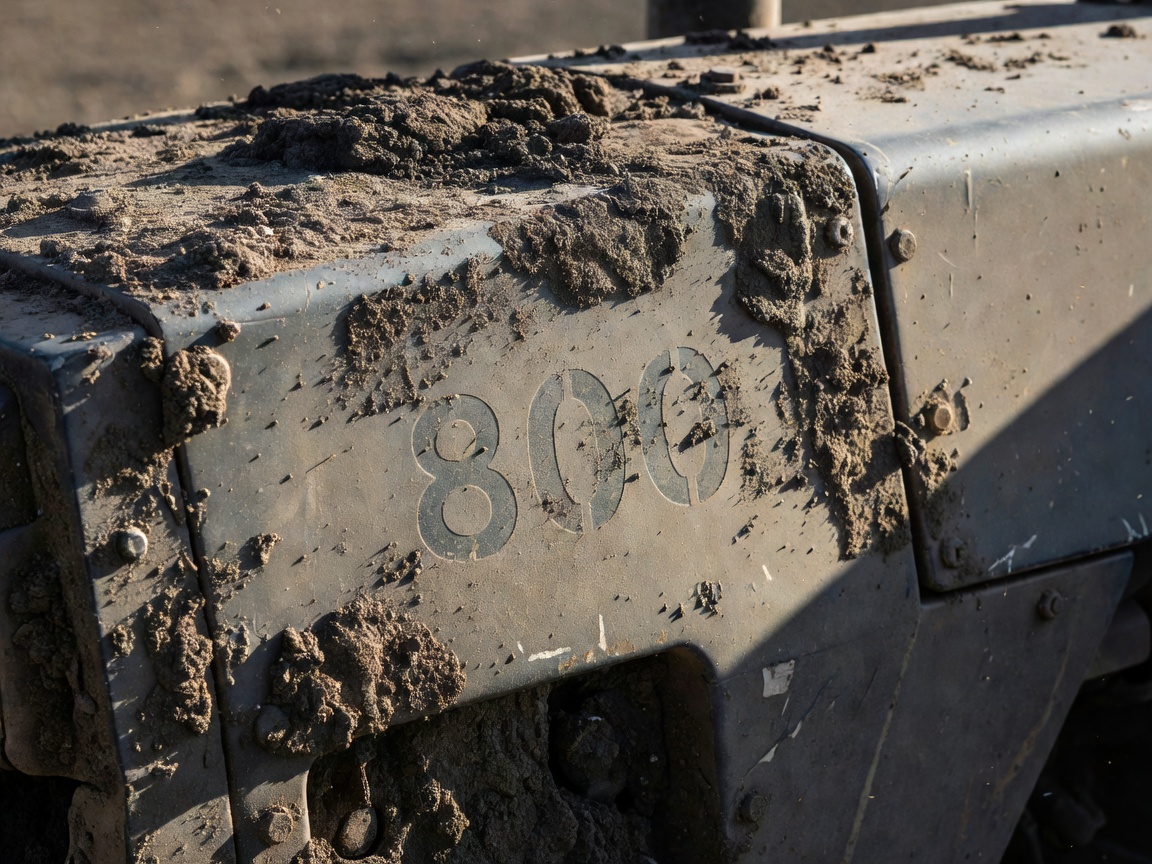
Plan the clean before choosing the method.
Start with the equipment category, recent work and visible contamination. Soil accumulation differs from dry dust. Crop residue behaves differently again, especially around guards, access points and enclosed working areas. A useful plan identifies the areas that need removal, the surfaces that need careful treatment and the parts that require later inspection.
High-use machinery may need shorter cleaning intervals during planting, spraying or harvest periods. Lower-use equipment can often be scheduled around transport and storage. Frequency should follow contamination, access and risk rather than a fixed calendar alone.
Separate soil, residue and grease awareness.
Soil is often concentrated around wheels, chassis members, implement connections and lower panels. Dust settles on ledges, cooling-air routes and operator access surfaces. Crop residue can collect around guards, belts, housings and awkward joints. Grease and oil require particular attention because aggressive cleaning can spread contamination or move it into places that later need mechanical assessment.
Cleaning is not the same as maintenance. Removal of material improves visibility. It does not confirm bearing condition, hydraulic integrity, electrical safety or mechanical serviceability. Any observation that suggests a fault should be referred to the appropriate qualified person.
Match surface compatibility and access.
Painted steel, galvanised surfaces, plastics, glazing, rubber and decals do not all respond in the same way. Consider finish condition, labels, seals and sensitive components before selecting equipment or cleaning products. Manufacturer guidance takes priority. Do not work on moving machinery, bypass guards or enter dangerous areas. Appropriate shutdown and isolation procedures are essential.
Operator areas deserve the same planning as external panels. Steps, handholds, pedals, glazing and controls can hold dust or residue. They must remain usable and dry. Exposed electrical systems, connectors and control equipment require suitable precautions and specialist direction where necessary.
Post-cleaning inspection.
After cleaning, allow suitable drying time for the environment and equipment. Check that access points are clear, glazing is usable, residue is not trapped behind guards and surfaces show no new concern. Record visible observations with the equipment identity and date. Do not describe a clean machine as repaired or approved unless that separate work has occurred.
What to check
- Recent field task and contamination type.
- Safe access, shutdown and manufacturer instructions.
- Surface materials, decals, seals and glazing.
- Wheels, lower panels, steps and connection points.
- Residue behind guards and around service access.
- Drying, observations and follow-up responsibility.
Advantages and limitations
Planned cleaning improves visibility and supports orderly preparation. It cannot replace a service inspection, repair, electrical procedure or risk assessment. Specialist assessment is appropriate where access, contamination or equipment condition is uncertain.